
- Your cart is empty
- Continue Shopping

Breathing Difficulties in Post-Surgery Patients – Why Early Detection Matters
- Uncategorized
- By Admin@sspoct
- Posted on
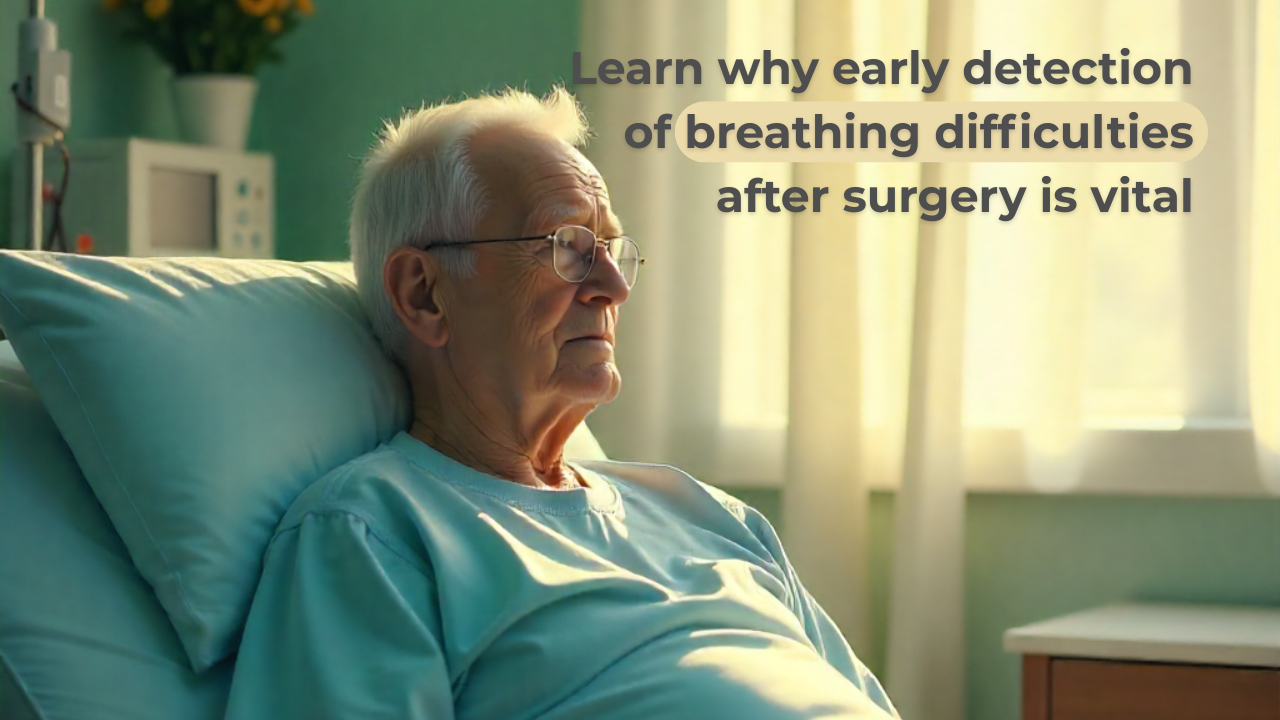
Recovering from surgery is not only about wound healing or regaining strength — it’s also about protecting your lungs. Breathing difficulties are one of the most overlooked complications after surgery, but they can significantly delay recovery if not detected early.
Why Breathing Problems Occur After Surgery?
After surgery, patients often experience shallow breathing due to pain, anesthesia effects, or immobility. This can reduce oxygen intake and cause:
- Partial lung collapse
- Increased risk of pneumonia or infection
- Reduced stamina and slower healing
Patients recovering from chest, abdominal, or heart surgery are especially vulnerable. If ignored, even minor breathing issues can escalate into serious complications.
The Importance of Early Detection
Timely recognition of breathing difficulties is proven to prevent severe post-operative complications. Monitoring lung health helps doctors and patients:
- Detect reduced lung capacity before symptoms worsen
- Initiate breathing exercises to expand the lungs
- Reduce risks of ICU re-admissions
- Support faster recovery and shorter hospital stays
In simple terms, early detection saves lives and speeds up healing.
Role of Spirometer in Hospital in Post-Surgery Recovery
Spirometry: A Simple Way to Monitor Your Lungs Spirometry is a safe test that measures how much air moves in and out of your lungs. The results are usually available within a few days and help doctors understand your lung health.
A spirometer is a simple device that supports recovery, especially for post-surgery patients. Regular use can:
- Strengthen breathing capacity
- Prevent mucus buildup in the lungs
- Improve stamina and oxygen flow
- Keep you motivated with visible progress
Proven Benefits of Monitoring Breathing at Home
Healthcare studies confirm that patients who use spirometers post-surgery experience:
- 30–40% lower risk of pulmonary complications
- Better pain management, as deep breathing reduces discomfort
- Improved quality of life, as they regain energy sooner
- Lower hospital readmission rates
This makes spirometry not just a recommendation but a proven medical practice for safer recovery.
Take Charge of Your Recovery
Breathing difficulties after surgery should never be ignored. Early detection ensures that small issues don’t become major health concerns.
With simple devices like the SS POCT Lung Exerciser – 3-Ball Spirometer, patients can take control of their recovery journey, reduce risks, and recover more quickly.
✅ If you or your loved ones are recovering from surgery, make lung monitoring a part of daily care. Because when it comes to breathing, early action matters most.
